
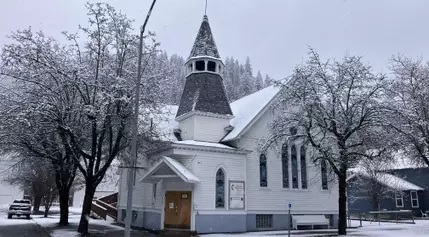
In the small town of Wallace, a local nonprofit organization is on the hunt for a new location that can better serve its growing needs. The Wallace Food Bank has been operating from the basement of the Prayer Station but faces an urgent need to relocate as the church's lease expires at the end of 2024. This search highlights the importance of finding a more suitable space that accommodates their expanding services and improves accessibility for all community members.
Challenges and Opportunities in Finding a New Base
In the heart of Wallace, the food bank has become an essential lifeline for many residents. President Michael Hoffman expressed the urgency in securing a new facility before the current lease runs out. The ideal location would be approximately 1,500 square feet and situated on ground level to ensure easier access for individuals with mobility challenges. Despite exploring options within local churches, the search remains ongoing.
The food bank continues to provide vital support, recently assisting 93 individuals during its December distribution event. With the addition of refrigeration units over the past year and a half, they have expanded their offerings to include fresh produce from the Post Falls Food Bank. Distribution occurs on the first Thursday of each month in Osburn and the third Thursday in Wallace, both from 3 to 5 p.m.
To maintain these services, the food bank is actively seeking volunteers to assist in various roles such as inventory management, social media coordination, grant writing, and board membership. Hoffman emphasized that while the search for a new home continues, the food bank remains committed to serving the community without interruption.
From a journalist’s perspective, this situation underscores the resilience and dedication of community organizations like the Wallace Food Bank. It serves as a reminder of the critical role such nonprofits play in supporting vulnerable populations. The search for a new home not only reflects the immediate logistical challenges faced by the food bank but also highlights the broader issue of accessible infrastructure in rural areas. As the community rallies to help find a solution, it demonstrates the power of collective effort in addressing local needs.