
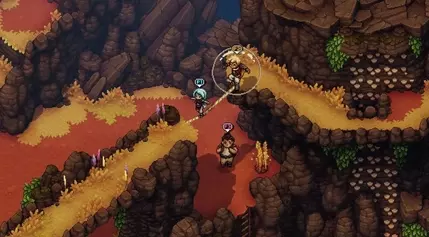
The local co-op mode in Sabotage Studio’s Sea of Stars has transformed the traditional turn-based RPG experience. Initially skeptical, a player found that engaging with another person not only revived interest in this genre but also introduced new layers of enjoyment and strategy. The game blends real-time elements into its mechanics, allowing players to enhance their characters' performance through well-timed button presses. This feature is particularly effective in cooperative play, where players can cover for each other's timing, making complex attacks more manageable. Outside combat, the game offers various interactive features that promote collaboration, from exploring the world together to sharing control over dialogue progression.
Enhancing Combat with Real-Time Elements
Sea of Stars introduces an innovative twist on classic turn-based gameplay by incorporating real-time reactions. Instead of relying solely on pre-determined actions, players can influence battle outcomes through precise timing. By pressing buttons at key moments, they can boost attack power or reduce incoming damage. This dynamic system adds a layer of excitement and unpredictability to each encounter. When two players work together, the synergy between their inputs amplifies these effects, creating a more engaging and strategic experience.
In practice, this means that even if one player misses the timing, the other can still secure the bonus. This shared responsibility makes challenging sequences less stressful and encourages teamwork. For instance, during intense boss fights, players can discuss strategies and coordinate their moves, turning potentially frustrating moments into collaborative problem-solving sessions. The result is a combat system that feels fresh yet familiar, blending the best aspects of both turn-based and real-time gameplay.
Promoting Collaboration Beyond Combat
Beyond battles, Sea of Stars fosters a cooperative atmosphere through its design choices. The game’s top-down perspective allows multiple characters to explore the expansive world simultaneously. Players can interact with each other in creative ways, such as giving speed boosts or high-fiving to progress faster. Simple tasks like advancing dialogue are also shared, ensuring that both players remain engaged throughout the journey. These small touches encourage constant interaction and communication.
This cooperative spirit extends to decision-making processes. Whether choosing items to purchase or planning battle tactics, having another player to consult brings a fresh perspective. It transforms solitary decisions into discussions, making the experience richer and more enjoyable. The game evokes memories of earlier gaming experiences, where siblings would huddle around a single screen, sharing control and ideas. Sea of Stars not only recreates this camaraderie but enhances it, offering a modern take on cooperative play that feels both nostalgic and innovative.