
Throughout his presidency, Joe Biden introduced significant changes to the U.S. agricultural and food systems, focusing on sustainability, equity, and climate resilience. The administration's efforts have reshaped policies and practices in ways that aim to benefit both producers and consumers.
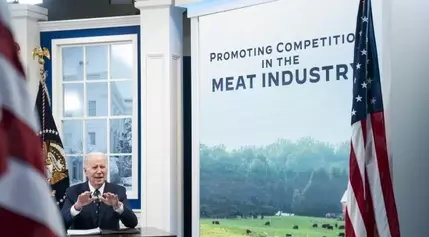
The Biden administration prioritized addressing corporate consolidation within the agricultural sector, a critical issue affecting small farmers and ranchers. Early in his term, Biden issued an executive order targeting monopolistic practices across various industries, with agriculture being a primary focus. This move aimed to protect smaller players from unfair competition and market dominance by large corporations. Secretary of Agriculture Tom Vilsack emphasized the importance of these reforms, highlighting the revival of stalled regulations like the Packers & Stockyards Act, which seeks to safeguard farmers from exploitation by meatpackers. Additionally, the USDA provided substantial financial support to smaller meatpacking facilities, enabling them to compete more effectively against industry giants. These measures were complemented by the Federal Trade Commission's (FTC) renewed commitment to antitrust enforcement under Lina Khan, which included blocking mergers that could further consolidate power in the grocery sector.
In response to the climate crisis, the Biden administration channeled considerable resources into promoting environmentally friendly farming practices. The Partnerships for Climate-Smart Commodities Program allocated over billion to fund projects that encourage sustainable agriculture, involving thousands of farms and millions of acres nationwide. While some critics argue that the inclusion of large agribusinesses may dilute the program's effectiveness, the initiative underscores the government's dedication to reducing carbon emissions and enhancing soil health. Moreover, the administration invested heavily in renewable energy projects on farms and supported global collaborations aimed at mitigating climate impacts. Concurrently, efforts to regulate pesticides and other chemicals gained momentum, with the EPA initiating comprehensive assessments of their effects on endangered species, marking a significant shift in environmental protection policies.
The Biden administration's multifaceted approach to agriculture and food systems reflects a commitment to fostering a more equitable, sustainable, and resilient sector. By addressing corporate consolidation, investing in climate-smart practices, and enhancing regulatory frameworks, the administration has laid the groundwork for transformative change. While challenges remain, these initiatives represent important strides toward building a healthier and more just food system, benefiting not only current stakeholders but also future generations.