Embracing the Thrill: Unlocking the Benefits of Risky Play for Children
As parents, we often find ourselves torn between the desire to protect our children and the recognition that some level of risk-taking is essential for their development. The recent recommendations from the Canadian Paediatric Society on the importance of "risky play" have sparked a renewed conversation on this delicate balance. In this article, we'll explore the nuances of risky play, its potential benefits, and how parents can navigate this challenging terrain to foster their children's growth and well-being.Unlocking the Potential of Risky Play
Defining Risky Play
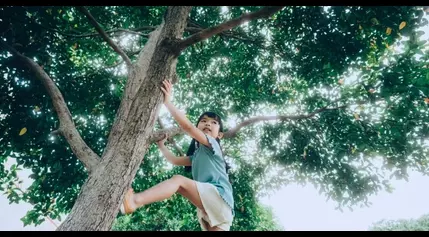
The Canadian Paediatric Society defines "risky play" as "any thrilling and exciting free play that involves uncertain outcomes and the possibility of physical injury." This can encompass a wide range of activities, from climbing to high speeds, using tools like hammers, or engaging in pretend battles with toy weapons. While the term "risky" may initially sound concerning, the organization emphasizes that these types of play are essential for children's physical, mental, and social development.
The Benefits of Risky Play
Numerous studies have highlighted the positive impact of risky play on children's well-being. It can improve physical fitness, enhance problem-solving skills, and foster the development of confidence and resilience. Risky play also helps children learn to recognize and evaluate challenges, a critical life skill that will serve them well in the years to come.
Overcoming Parental Fears
As a healthcare provider, the author of this article has witnessed firsthand the potential consequences of risky play, including injuries and broken bones. This has understandably made her a "helicopter parent," quick to intervene and limit her children's exploration. However, the recent recommendations have prompted her to re-evaluate her approach and find a balance between safety and allowing her children to take calculated risks.
Striking a Balance
The key, as the Paediatric Society emphasizes, is to ensure that children are not left unattended in hazardous areas or pushed beyond their comfort levels. As parents and caregivers, it's our responsibility to be vigilant, identify potential risks, and intervene when necessary to maintain a safe environment. At the same time, we must resist the urge to completely eliminate all risk, as this can hinder our children's growth and development.
Reflecting on Our Own Childhoods
The author's own childhood experiences have played a significant role in her perspective on risky play. Reminiscing about the hours spent building forts, engaging in pretend sword fights, and rollerblading down hills, she recognizes the valuable lessons and confidence she gained from those formative experiences. This has inspired her to create similar opportunities for her own children, even if it means stepping outside her comfort zone once again.
Empowering Children to Assess Risks
By allowing her children to test their boundaries, the author has observed them not only improving their physical skills but also developing critical thinking abilities. For example, when her children engaged in lightsaber battles, she initially discouraged the activity due to safety concerns. However, after observing and guiding them through the experience, they were able to establish their own set of safety rules, demonstrating their ability to learn from past mistakes and make informed decisions.
Embracing the Journey
While the author still experiences the natural parental instinct to minimize risks, she has consciously chosen to step back and allow her children to navigate their own challenges. She remains nearby, ready to intervene if necessary, but she is committed to empowering them to assess risks and learn from their experiences. This journey of embracing risky play is not without its moments of fear and uncertainty, but the author finds joy in learning alongside her children and witnessing their growth and development.