
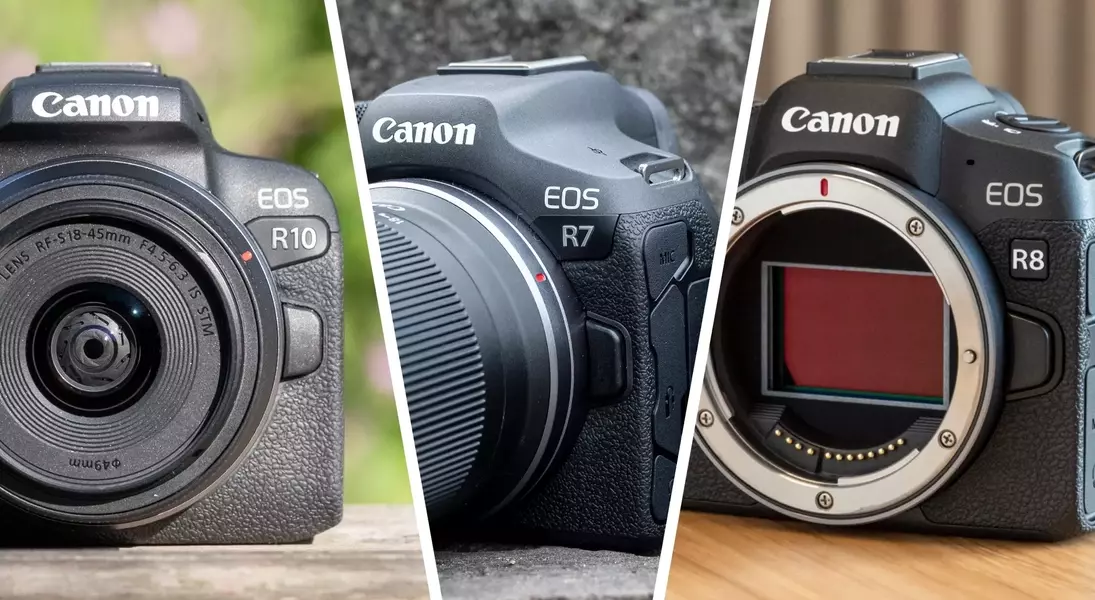
Canon is gearing up for a significant product refresh in its mirrorless camera lineup, with industry whispers and regulatory filings strongly suggesting the imminent release of three new EOS R models. This strategic move aims to invigorate the market, particularly with the highly anticipated EOS R8 Mark II, which is generating considerable excitement due to its rumored retro-inspired design. These forthcoming cameras, including updates to the EOS R7 and EOS R10, are set to introduce advanced features and performance enhancements, promising a vibrant second half of the year for photography enthusiasts and professionals alike.
Canon's Upcoming Mirrorless Innovations: A Closer Look at the EOS R8 II, R7 II, and R10 II
As the latter half of 2026 unfolds, Canon is set to make a significant impact on the photography world. Regulatory filings with a wireless certification body have confirmed the impending arrival of three new EOS R mirrorless cameras, igniting fervent speculation among imaging enthusiasts. Canon Rumors, a reputable source for leaks and insights, indicates that these releases will be refreshed versions of three of the brand's most sought-after EOS R series cameras, with one particular model standing out as a game-changer.
Among the trio, the EOS R8 Mark II is generating the most buzz, rumored to arrive in mid-September. Building on the foundation of the three-year-old EOS R8, the successor is expected to feature a distinct retro aesthetic, potentially paying homage to Canon's iconic AE-1 film SLR. This nod to history aligns with a growing trend in the industry, as seen with Nikon's Zf, and would be particularly poignant given that 2026 marks the 50th anniversary of the beloved AE-1. Prospective specifications for the EOS R8 II include a 32.5MP full-frame sensor, a rapid 40fps electronic shutter burst mode, in-body image stabilization, oversampled 4K video recording, and a welcome upgrade to dual UHS-II SD card slots, addressing a common user request from its predecessor. The integration of film-style processing akin to Fujifilm's Film Simulations or Panasonic's Real Time LUTs could further elevate the appeal of a retro-styled digital AE-1, offering photographers rich, analog-inspired imagery directly from the camera.
The Canon EOS R7, a popular mid-range APS-C mirrorless camera launched in 2022, is also due for an upgrade with the EOS R7 II. The original R7 impressed with its speed, boasting burst rates of 15fps with its mechanical shutter and up to 30fps with the electronic shutter. Rumors suggest the Mark II version will push these boundaries even further by incorporating a stacked APS-C sensor—a pioneering move for Canon's APS-C lineup, currently a feature almost exclusive to the Fujifilm X-H2S. This technology allows for faster data readout, leading to enhanced burst speeds, superior autofocus tracking, and blackout-free shooting. Additionally, the sensor resolution is anticipated to increase to 39MP from the original 32.5MP, solidifying the EOS R7 II's position as a formidable contender in the performance-oriented APS-C segment.
Lastly, an update to the highly successful beginner-friendly EOS R10 is also on the horizon, with the EOS R10 Mark II expected in late 2026. While specific details remain sparse, this model is likely to be the first of the three new cameras to be unveiled. The original EOS R10, released in 2022 alongside the R7, has been a favorite among newcomers to mirrorless photography due to its balanced combination of affordability, lightweight design, intelligent autofocus, and consistent image quality. For the EOS R10 Mark II, improvements are projected to focus on subject-recognition autofocus, enhanced sustained burst speeds with a deeper buffer, and a potential resolution bump from 24.2MP to 32.5MP, further differentiating it from its more entry-level siblings like the EOS R50 and EOS R100.
These upcoming releases signal Canon's commitment to innovation and its responsiveness to market demands, promising a fresh wave of advanced imaging tools for photographers across various skill levels.
The unveiling of these new Canon EOS R mirrorless cameras, particularly the rumored retro-styled EOS R8 Mark II, marks a pivotal moment for the photography community. It suggests a thoughtful blend of cutting-edge technology with nostalgic design, catering to a diverse range of photographers from seasoned professionals to enthusiastic beginners. The potential for a stacked APS-C sensor in the EOS R7 Mark II could redefine performance expectations in its category, offering pro-level speed and responsiveness. Meanwhile, the enhancements anticipated for the EOS R10 Mark II indicate Canon's dedication to making advanced features accessible to a broader audience. This strategic refresh not only strengthens Canon's competitive edge but also enriches the creative possibilities for photographers worldwide. It serves as a reminder that innovation isn't solely about new functionalities but also about reimagining user experience and celebrating photographic heritage.